HVAC systems in Westport homes face a wide range of challenges throughout the year. Hot summers, cool autumn nights, coastal humidity and seasonal storms all affect heating and cooling equipment in different ways. Because these environmental factors place added stress on compressors, motors, coils and electrical components, preventive steps are essential for maintaining reliable operation. Understanding the most common HVAC problems and how to prevent them helps Westport homeowners avoid breakdowns and keep indoor comfort consistent.
One of the most frequent issues is restricted airflow. When airflow is limited, the HVAC system must work harder to reach the target temperature. Dust accumulation in filters and ducts, blocked vents or dirty coils often cause this problem. Homeowners can prevent airflow issues by replacing filters regularly and ensuring vents remain open. Seasonal coil cleaning further improves airflow and reduces strain on the system.
High humidity is another major factor in Westport. Moist coastal air places additional workload on air conditioners during summer months. Excess humidity can cause evaporator coils to freeze, reduce cooling performance and encourage mold growth inside ducts. Clearing the condensate drain line and ensuring adequate airflow helps reduce moisture related issues. Using a programmable thermostat to maintain steady indoor conditions also reduces rapid humidity swings.
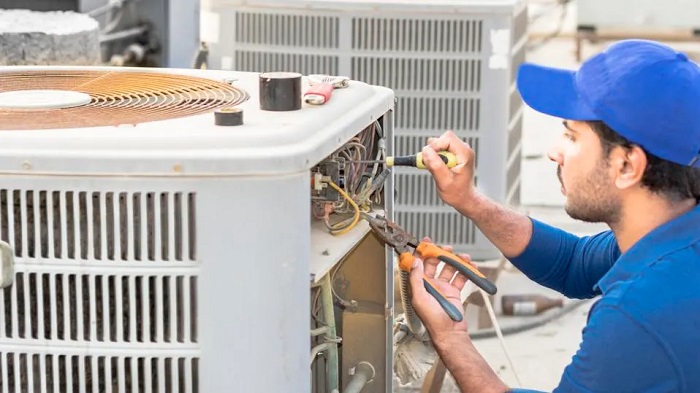
Electrical problems are another common cause of HVAC failures. Power fluctuations, corroded terminals or aging capacitors can cause the system to fail unexpectedly. Homeowners may hear clicking, buzzing or rattling when electrical components weaken. Scheduling annual inspections allows technicians to test capacitors, tighten wiring connections and replace worn parts before they cause a shutdown.
Dirty condenser units frequently cause cooling problems in Westport homes. Outdoor units collect leaves, pollen, sand and debris, especially in areas with landscaping or near the shoreline. When the condenser becomes blocked, it cannot release heat efficiently. This leads to overheating and extended cooling cycles. Removing debris and maintaining clear space around the outdoor unit helps ensure proper heat exchange and stable operation.
Refrigerant issues also appear frequently. Even a small leak reduces cooling capacity and increases energy consumption. Homeowners may notice warm air from vents or ice forming on refrigerant lines. Low refrigerant forces the compressor to work harder, shortening its lifespan. Preventing refrigerant issues begins with early detection. Regular maintenance checks allow technicians to identify leaks and restore proper levels before major damage occurs.
Another factor is thermostat accuracy. If the thermostat is outdated or improperly calibrated, it can cause short cycling, uneven temperatures or excessive runtime. Many Westport homeowners still use older thermostats that lack modern precision. Upgrading to a programmable or smart thermostat helps maintain stable comfort and reduces unnecessary system stress.
Ductwork issues contribute to many HVAC problems in the region. Leaking or poorly insulated ducts reduce efficiency by allowing conditioned air to escape into attics, basements or crawl spaces. Homeowners may notice uneven temperatures or weak airflow in specific rooms. Sealing ducts and improving insulation helps maintain consistent airflow and reduces energy waste.
Drainage problems also impact system performance. During humid months, air conditioners produce significant condensation. If the drain line becomes clogged with algae or debris, water may back up into the system, triggering sensors that shut it down. Clearing the drain line and checking the drain pan during seasonal maintenance helps prevent water damage and unexpected shutdowns.
Outdoor weather conditions create additional challenges. Storm debris, salt air exposure and rapid temperature changes can weaken components or reduce efficiency. After severe weather, homeowners should inspect the outdoor unit for damage or obstructions. Preventive maintenance ensures the system recovers quickly from weather related stress.
Oversized or undersized systems also contribute to common breakdowns. A system that is too large short cycles frequently, while one that is too small runs continuously. Both scenarios cause premature wear. Professional sizing evaluations help ensure the HVAC equipment matches the home’s layout and insulation levels.
Finally, many HVAC problems occur because homeowners delay routine maintenance. Small issues such as loose wiring, dirty coils or weak capacitors become major problems when ignored. Scheduling regular service helps identify potential failures early and keeps the system running efficiently.
Freedom Breeze technicians help Westport residents prevent HVAC problems with seasonal inspections, detailed diagnostics and timely repairs. With consistent care, homeowners can reduce breakdowns and maintain reliable comfort throughout the year