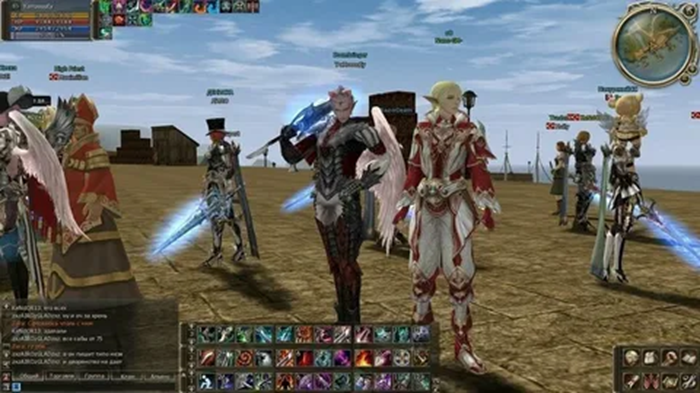
Lineage 2 is an iconic MMORPG built on clan rivalries, the struggle for territory, and character development in a vast fantasy world. The game combines dynamic mass battles, a well-designed economy, and a deep progression system, captivating both newcomers and experienced players.
The game is known for its freedom of choice: you can focus on PvE hunting and raid bosses, delve into crafting and trading, or focus on PvP and clan politics. The choice of chronicles, builds, and launch formats influences the pace of development and playstyle, so many choose the right Lineage 2 server to suit their preferences.
Brief Description of the World and Mechanics
The game takes place in a world where races and nations constantly struggle for resources and power. The player chooses a race and class, completes quest chains, explores locations, acquires equipment, and participates in events that shape the server’s political map.
Classes, Roles, and Development
Character development is based on specialization: some classes are strong in damage dealing, others in support, control, or defense. Progression is expressed through levels, skills, equipment quality, and the proper stat build.
- Tanks maintain aggression and ensure the safety of the group.
- Damage Dealers speed up dungeon runs and boss hunts.
- Healers and supports heal, buff allies, and manage combat.
- Controllers limit enemy actions, creating a tactical advantage.
Economy and Equipment
An important feature of the lineage 2 server is a vibrant economy, where the value of resources, recipes, and items is determined by player demand. Material harvesting, crafting, upgrading weapons and armor, and trading create a separate layer of gameplay comparable in depth to the combat portion.
Clans, Sieges, and Mass Battles
The clan system is the core of social interaction. Alliances form armies, assign roles, organize farming for key bosses, and participate in sieges, where discipline, intelligence, and resource management are crucial.
- Preparation: assembling a team, purchasing consumables, distributing tasks.
- Field clashes: fighting for control of points and passages.
- Siege: assault, defense, tactical maneuvers, and support work.
- Results: control of territory, access to advantages, and growth of the clan’s influence.
Results: why Lineage 2 remains relevant
Even after years, the project retains interest thanks to its combination of large-scale PvP, a variety of gameplay styles, and the recognizable atmosphere of a fantasy epic. Lineage 2 has its own unique characteristics and demands on engagement, but these are precisely what shape the clan experience that keeps players coming back.
Key Strengths and Final Rating
- Mass activities: sieges, clan wars, territory control, and events where teamwork is crucial.
- Diversity of classes and roles: from support and tanks to ranged damage dealers and summoners, making groups and clans vibrant and flexible.
- Economy and Market: Trading, crafting, and resource extraction create a separate layer of progression and competition.
- Social component: clans, alliances, diplomacy, and player reputation are often more important than individual achievements.
- Replayability: Different chronicles and server rules allow you to choose the pace and format – from relaxed development to hardcore PvP.
- Suitable for: Those who value team goals, large-scale PvP battles, and clan-based progression tasks.
- Who might not like it: Those who prefer a completely solo experience and rapid progression without depending on the community.
Lineage 2 is a game about scale, rivalry, and allies, where strengths are revealed not in a single race, but in the shared history of a clan and server.