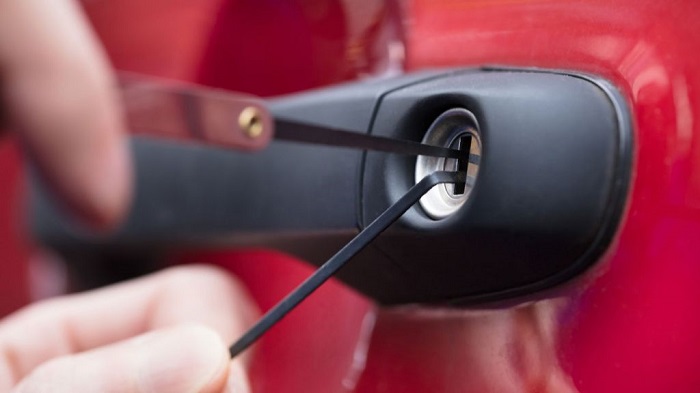
Situations where you cannot access the interior or trunk—due to lost keys, a dead battery, or a faulty lock—often arise unexpectedly. In this article, we will explore the primary approaches to unlocking a vehicle: which methods are safest for the car body and its locks, what you can attempt yourself in straightforward cases, and when it is better not to take the risk—to avoid worsening the damage or harming the electrical system.
You will also find practical advice on preparation: what documents you might need, how to assess the risk of damage, what to look for when choosing a professional, and how to reduce the likelihood of getting locked out again. Learn more about vehicle unlocking on https://lockdoc.ca.
How to open a car without a key: step-by-step solutions for various types of locks
Important: Any attempt to unlock a vehicle is only permissible if it is your own car or if you have a legal basis for doing so. If in doubt, it is safer to immediately call for professional roadside assistance or a qualified locksmith.
Below are practical and relatively safe steps that primarily rely on the vehicle’s built-in features (spare keys, electronic access, or official service providers). This minimizes the risk of damaging the doors, windows, wiring, or security systems.
Step-by-step solutions for different types of locks
1) Modern vehicles with central locking and factory-installed electronics (key fob/smart key):
- Check all doors and the trunk: sometimes one door may not be fully latched, or the trunk might be accessible via a separate release button.
- Use a spare key or key fob (if it is at home, ask someone to bring it to you).
This is the fastest and safest option.
- Use the manufacturer’s official app (if it was set up beforehand)—there is often an “Unlock” command available.
- Contact official support or roadside assistance (via your insurance provider, dealership, or an auto club); they can often assist with remote unlocking—after verifying your identity and the vehicle’s VIN—or dispatch a technician to help.
2) Vehicles with a standard mechanical door lock (key cylinder) and no remote access:
- Try using a spare mechanical key (often hidden inside the smart key fob or kept elsewhere).
- If the key is locked inside the vehicle, consider alternatives: sometimes you can open the trunk with a mechanical key and gain access to the cabin by folding down the rear seats.
- Check if the “deadlock” (double-locking) system has been engaged; if it has, attempting to open the door from the inside may not work. It is better not to take the risk—call a professional instead.
- Call an automotive locksmith: they will choose the right method for your specific lock cylinder, minimizing any potential damage.
3) Vehicles with “complex” security systems (deadlocks, alarm systems, concealed mechanisms):
- Do not attempt to use force; this often leads to door deformation, damage to the window regulator mechanism, and costly repairs.
- Follow the “official” route first: contact your dealership, roadside assistance, or a professional lockout service—be prepared to provide documentation proving vehicle ownership.
- Once the vehicle is unlocked, identify the root cause—such as a dead key fob battery, a depleted car battery, or a faulty lock—to ensure the situation does not happen again.
How to avoid damaging your vehicle and prevent a recurrence
Minimize the risks:
At the first sign of trouble, stop and turn to safer alternatives (a spare key, a mobile app, or professional assistance). Any «DIY» attempt to tamper with a door or window almost always ends up costing more than calling in a professional.
Prevention: keep a spare key in an accessible, secure location; set up the official mobile app in advance; replace the battery in your key fob regularly; and keep an eye on your vehicle’s battery health—these are the most common reasons for suddenly finding yourself locked out.